
 By: Steve Emer
 A Shifting Landscape for Architectural Education
A recent decision by the U.S. Department of Education proposed a much narrower definition of “professional degrees” for federal student loan purposes. Among many other notable professions, architecture is excluded from this proposed professional-degree list. This rule change will halve the federal borrowing cap and is likely to adversely affect architectural graduate-level students, who may be forced to seek financial assistance elsewhere or, worse, abandon their architectural studies altogether. If allowed to stand, the results of this rule will be disastrous for the profession and the broader public.
Why It Matters
Licensed architects are responsible for protecting the health, safety, and welfare of the public in the environments they design. Fulfilling such serious and substantive professional obligations, by necessity, requires years of demanding training both in school and at work. Embarking on an architectural education that will one day prepare candidates for licensure requires hard work, curiosity, dedication, and unflagging commitment. When financial constraints put this part of the path to becoming an architect out of reach, the repercussions extend far beyond the individuals directly impacted. The profession itself will be diminished by a thinner pipeline of talented and passionate young people.
The vibrancy of any design education is dependent on a climate of spirited and passionate debate, practiced by those who have conducted rigorous research and thoughtful analysis, filtered through the lens of a broad range of perspectives and life experiences. When this textured mosaic of inclusivity is weakened, the learning environment is less robust, and the implications for those who go on to practice can be profound as we contemplate the potential loss of inspired design leadership for the future of our profession.
Nurturing Future Professionals
Since our founding, Mackey Mitchell Architects has invested in nurturing inquisitive young minds in several ways.
MMA has standing invitations with select school districts in our community, where groups of students, as young as grade school, visit our office, hear from our staff about their professional days, see our work, and try their hand at solving design problems in small groups. In this way, we help broaden the realm of possibility for the future.
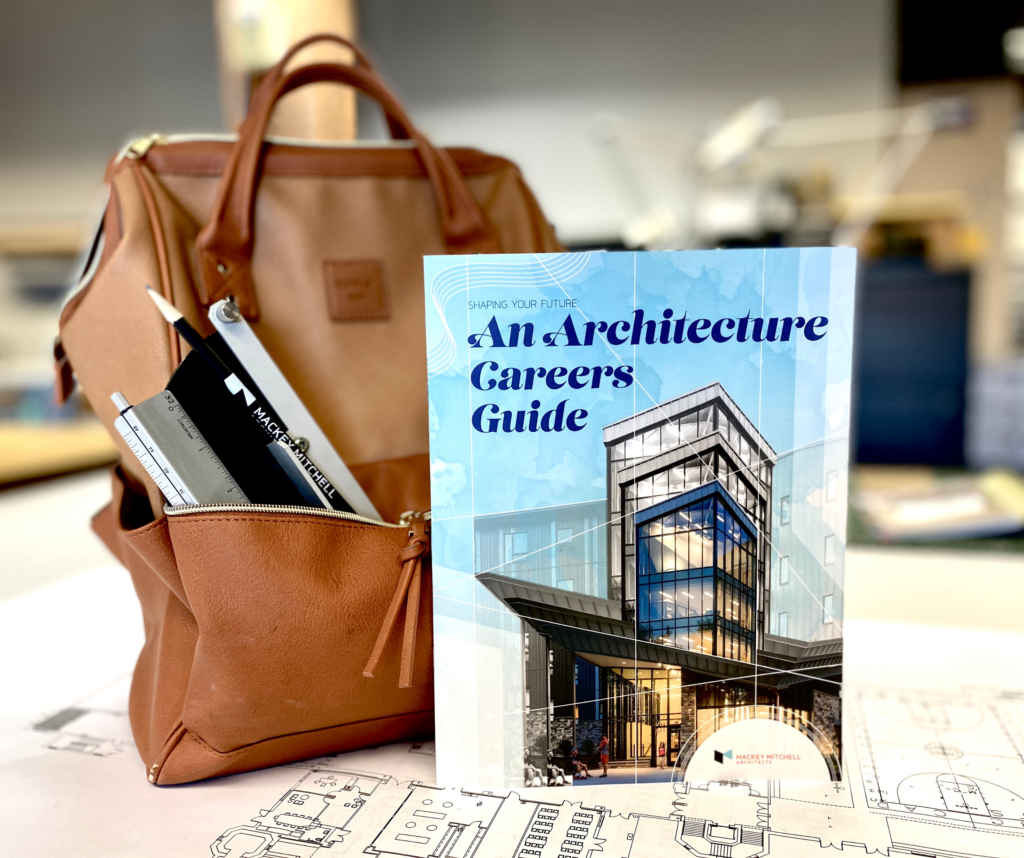
Another tool MMA created helps students understand the path toward architecture in more depth. An Architecture Careers Guide is a free resource intended to introduce young people to the possibilities of a career in architecture by offering clear explanations of what architects do, how design thinking works, and the various educational and career pathways to the profession.
For those already well into their design studies, MMA established The Eugene J. Mackey III Travel Scholarship to honor our founder, Gene Mackey. This scholarship encourages exploration abroad, ideally through sketching, and helps students broaden their understanding of culture, place, and community. While it does not offset all travel costs, it is intended to make those learning experiences available to those who might not otherwise be able to afford them. We believe initiatives like this matter today more than ever. They complement the work of educators, professional organizations, and firms across the country that are striving to support students facing an increasingly complex educational landscape.
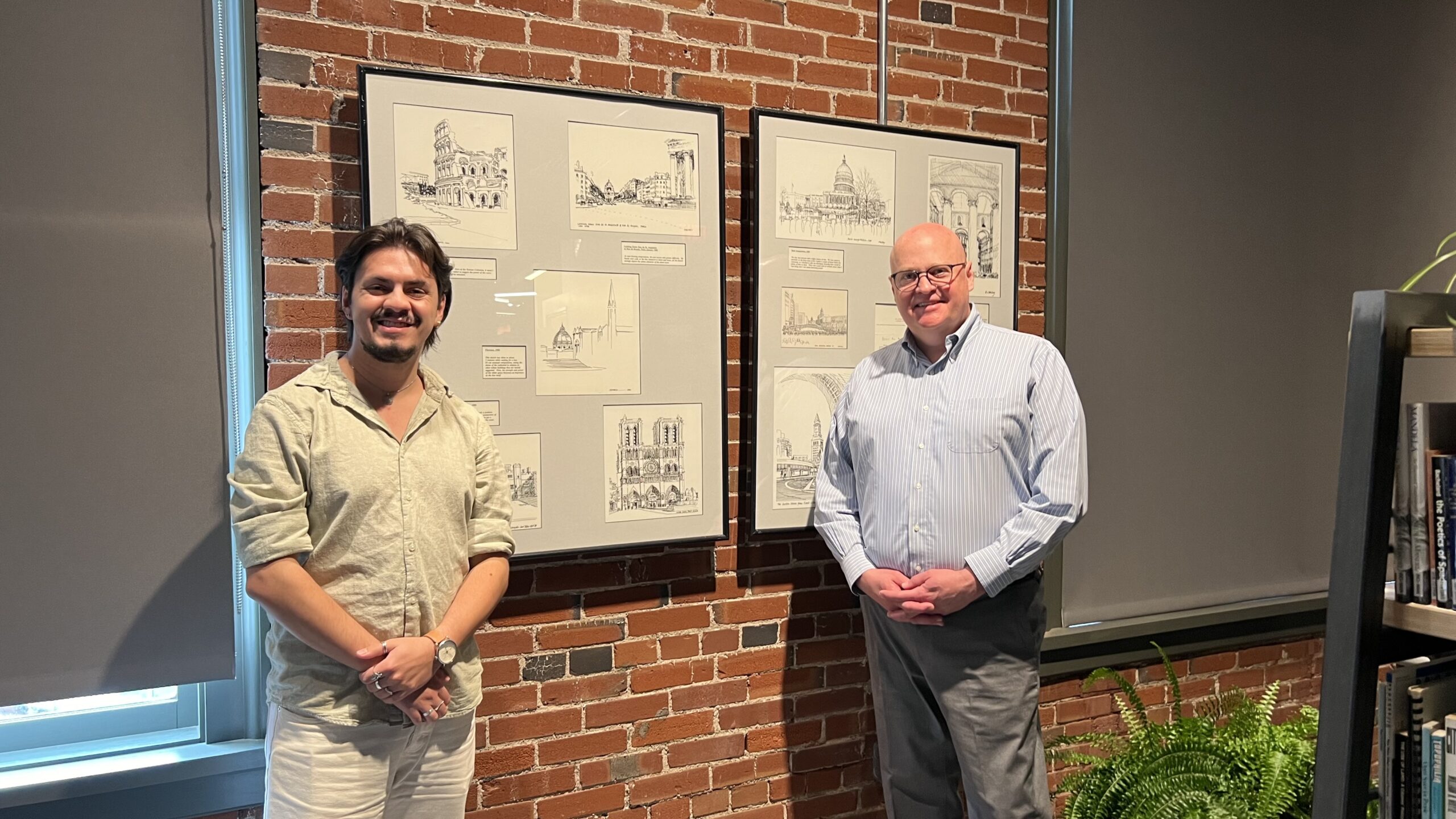 Carlos Cepeda Gómez, 2024 Travel Scholarship Recipient & Steve Emer, MMA President
Advocacy for Education
We urge everyone to spread the word about this change for architecture and the other professions affected. There will be a period of formal public comment early in 2026, and we encourage people to speak out and express their concerns. In the meantime, for those of you who are interested in advocating on behalf of students, we drafted a sample template letter to your congressmen for contacting elected representatives and asking them to reverse this short-sighted decision. Clear, respectful communication can help ensure that pathways into architecture remain open and equitable.
Architecture thrives when it welcomes students broadly and has effective systems in place designed to encourage and support them as they pursue licensure. We remain committed to that vision and to all those who commit themselves to one day shaping the future of our built environment.