
 By: Emily Godefroid
 Missouri S&T Celebrates Opening of the Missouri Protoplex
Advancing collaboration between industry and academia through next-generation manufacturing
Missouri University of Science and Technology recently marked a major milestone with the dedication of the Missouri Protoplex, opening the doors to a new kind of collaboration between research, education, and industry.
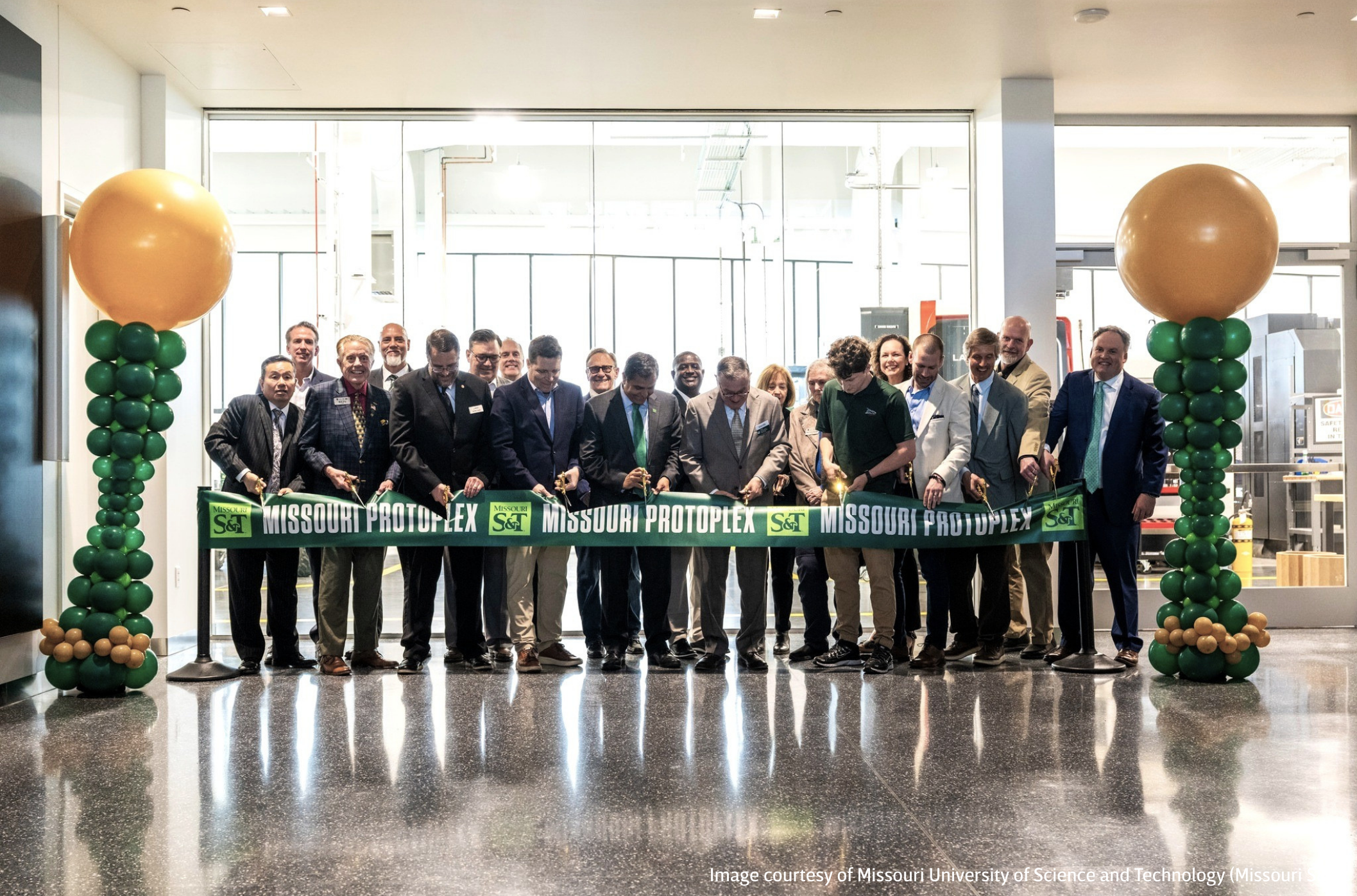
Leaders from Missouri S&T and industry team members mark the official opening of the Missouri Protoplex, celebrating a shared investment in innovation, research, and workforce development.
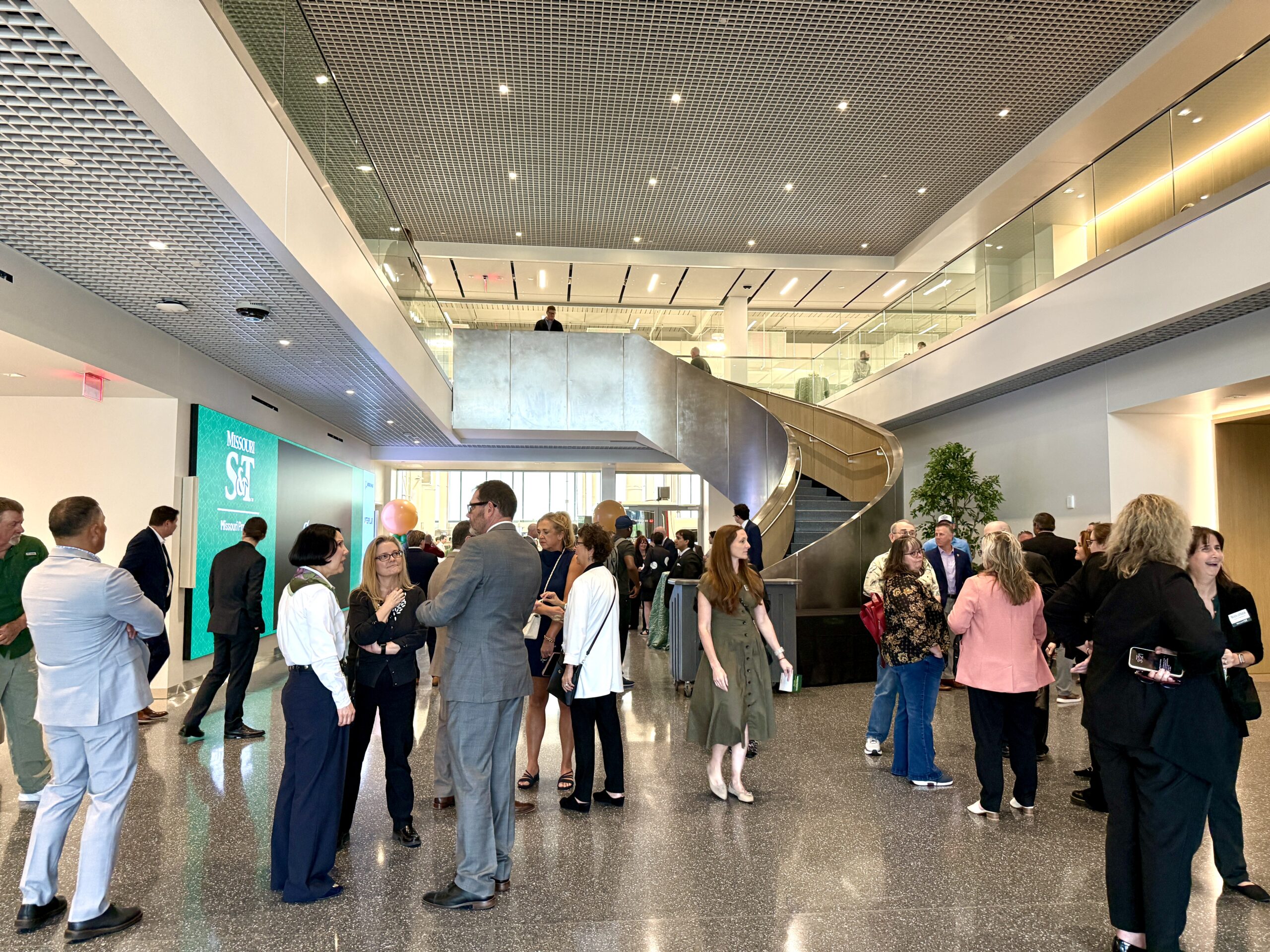
At ground level, the Protoplex lobby becomes a place for conversation and connection, as guests gather to celebrate the opening and engage with one another.
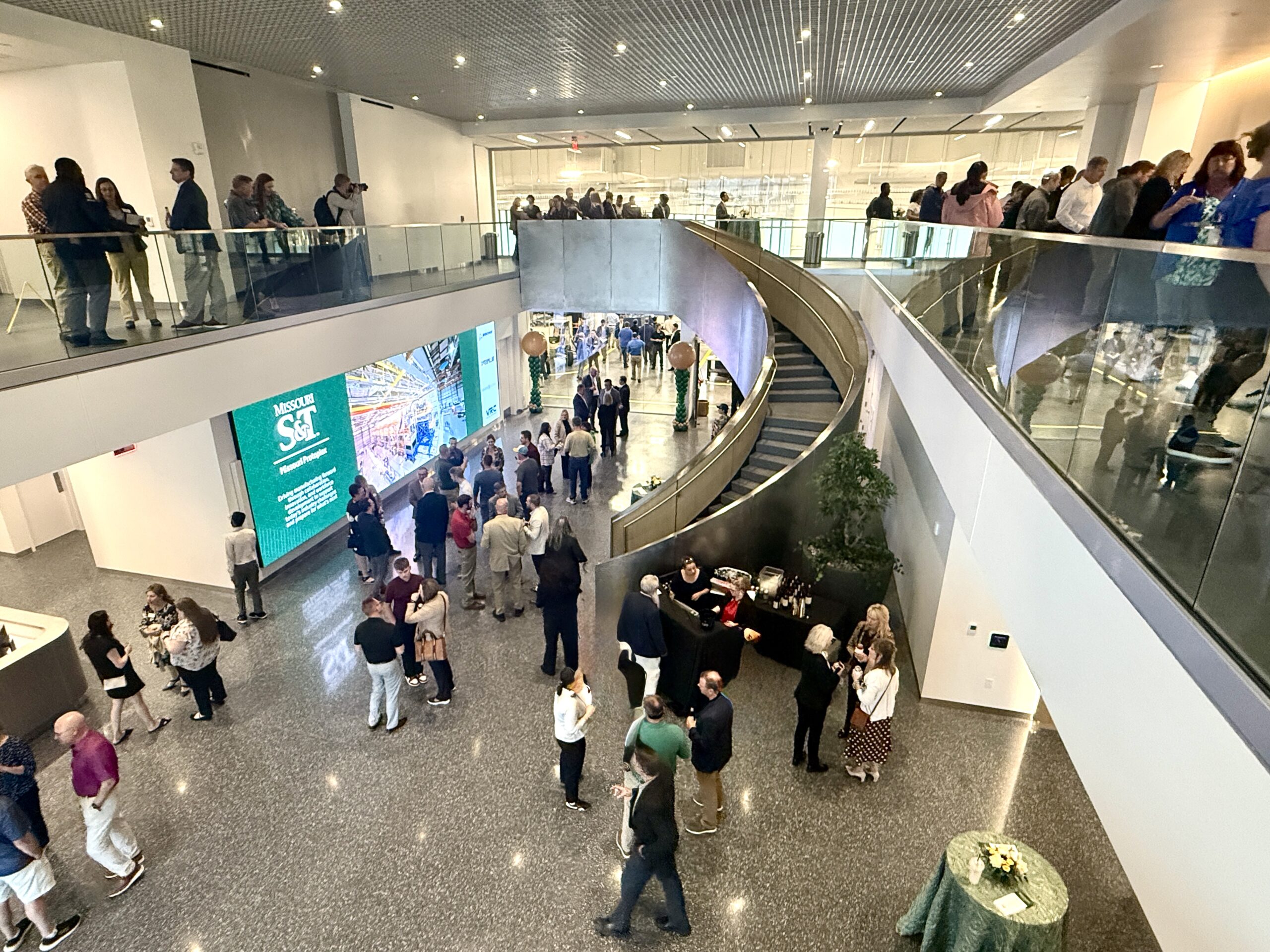
From the second level, the lobby reveals a connected, multi-level gathering space where activity and interaction unfold across the Protoplex.
Developed in close partnership with the university, the Protoplex creates a flexible, highly visible environment where students, faculty, and industry leaders can collaborate, test ideas, and advance emerging technologies. The 117,000-square-foot facility supports hands-on learning and real-world application, helping prepare the next generation of engineers and manufacturers. The facility also creates opportunities for students to work directly with industry-scale tools and technologies, helping bridge the gap between academic research and real-world manufacturing.
At the heart of the building is 40,000 square feet of high-bay manufacturing space, supported by more than 60 industrial-scale systems. Together, these resources create an environment equipped for next-generation work in additive manufacturing, advanced metallurgy, aerospace manufacturing, and materials for extreme environments. With more than $22 million in secured partnerships, the facility expands access to advanced tools and technologies, particularly for small- and mid-sized manufacturers across Missouri. This effort is further supported by an Industry Launch Team that includes Boeing, Caterpillar, Solvus Global, and VRC Metal Systems, helping ensure the facility remains closely aligned with real-world manufacturing needs.
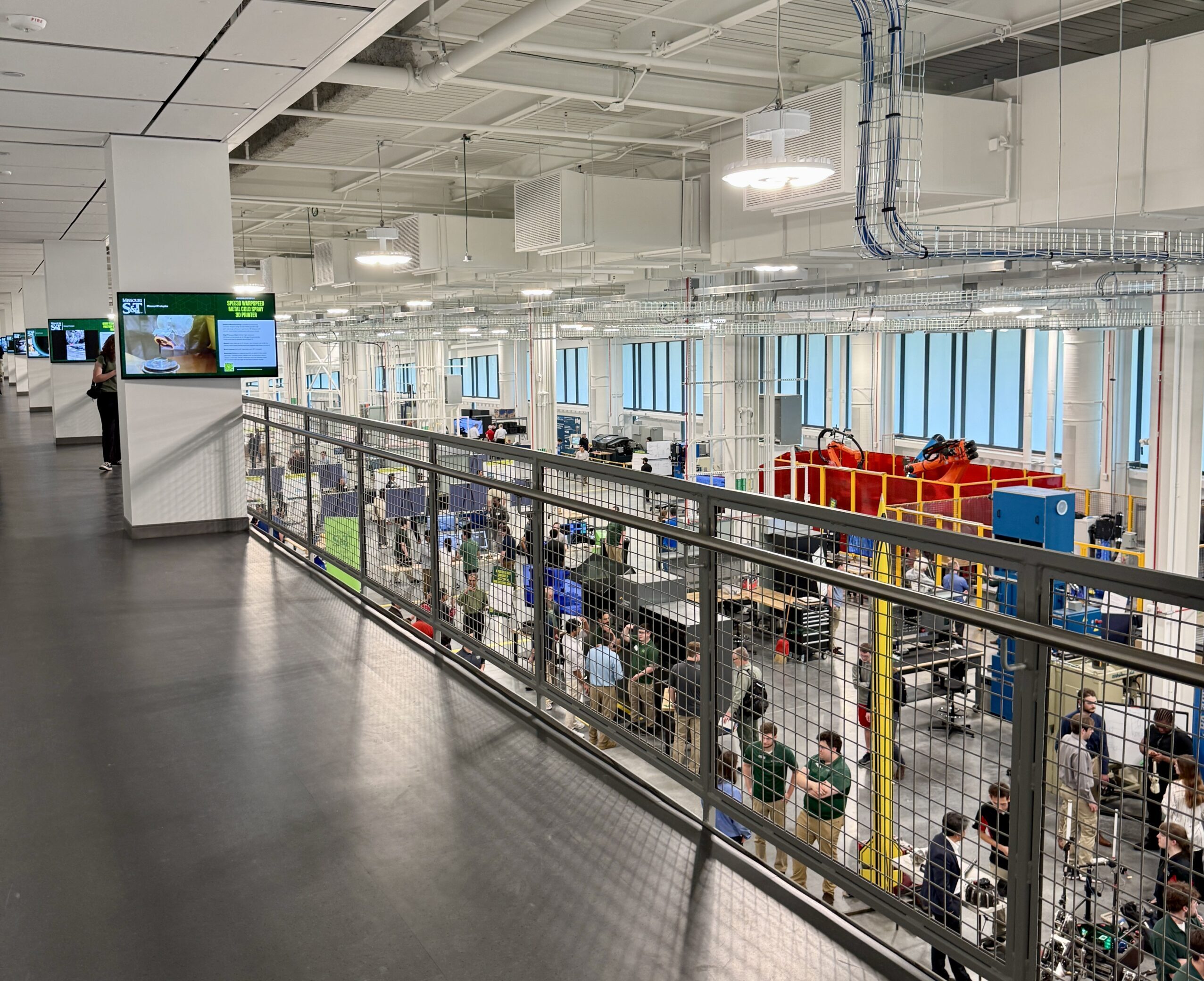
Visibility across levels connects people to the work below, reinforcing a culture of openness and engagement throughout the Protoplex.
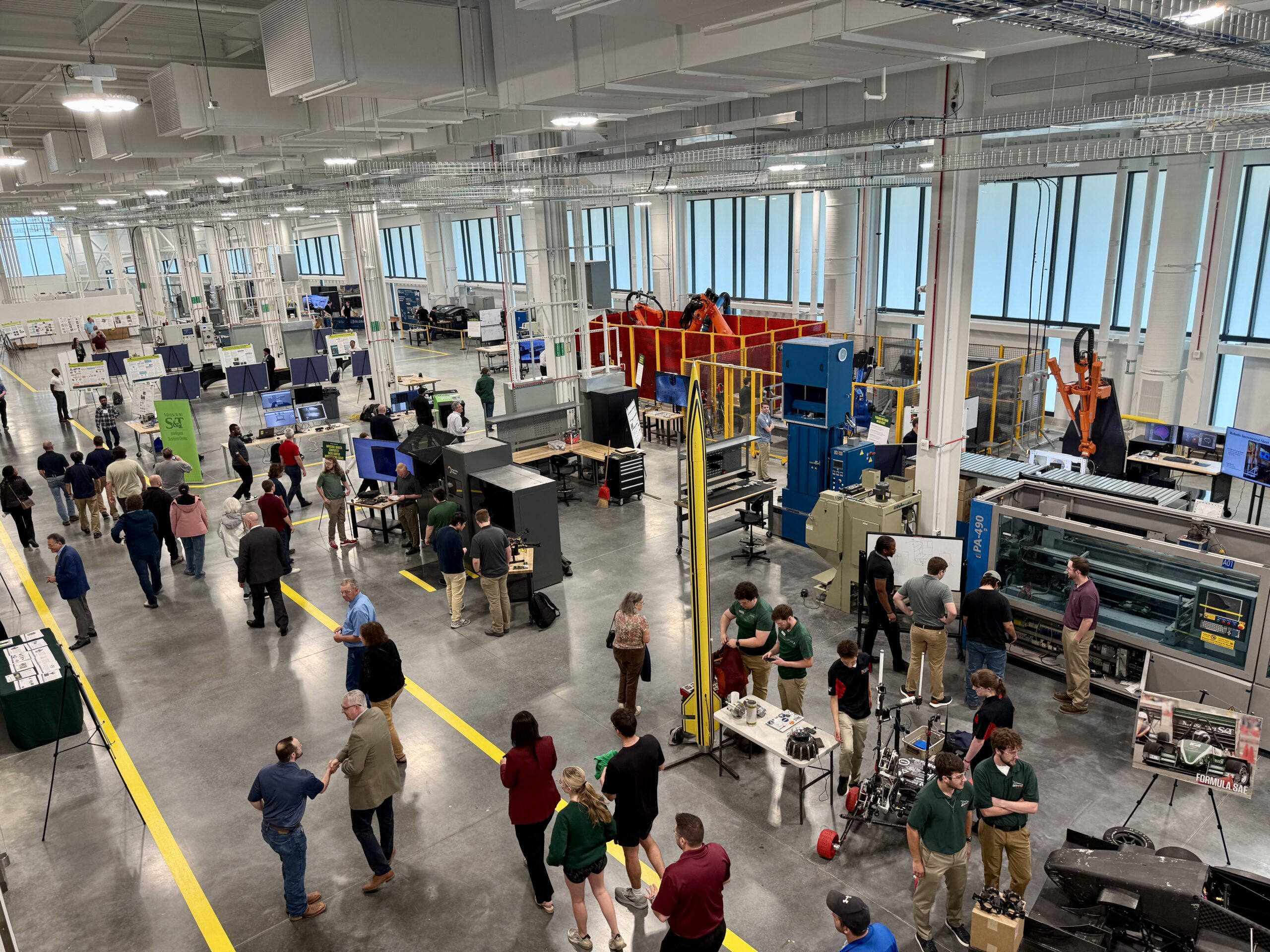
The high-bay manufacturing space comes to life during the dedication, with demonstrations and conversations unfolding across a floor designed for industry-scale work.
This milestone reflects the strength of a highly collaborative team. Mackey Mitchell Architects served as Architect of Record, working alongside design partner Perkins&Will and construction manager PARIC, with support from a multidisciplinary team of engineers and consultants. Together, the team aligned academic and research goals with industry needs, shaping a facility that supports both discovery and workforce development.
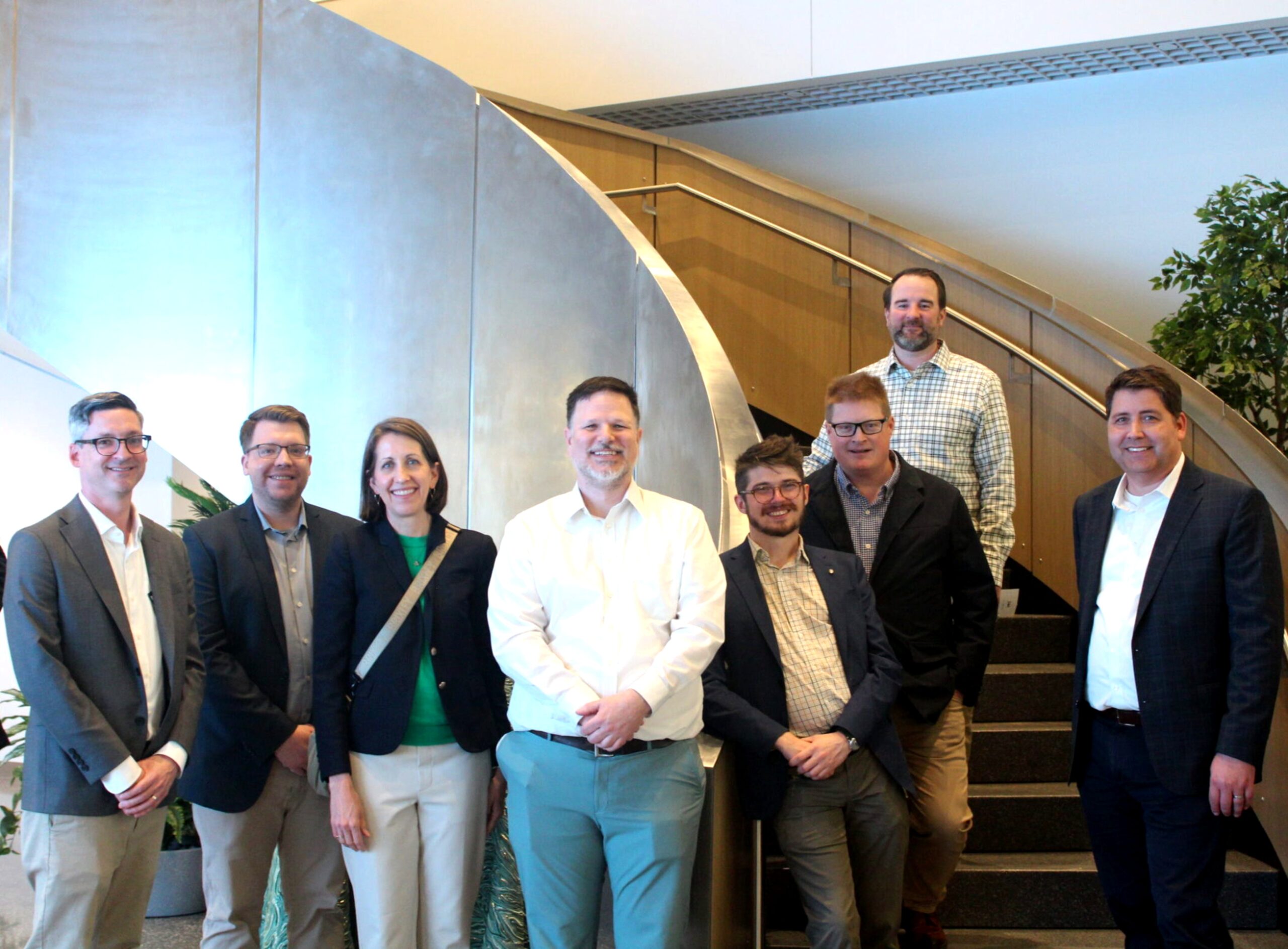 Architectural and Structural Engineer Team. Left to Right: Max Adams and Andrew Kroll (Perkins&Will), Jennifer Wilkins, Dan Schneider, Noah Morris, John Burse (Mackey Mitchell Architects) Marc Friedman (KPFF) and Jordan Gatewood (Mackey Mitchell Architects)
“The Protoplex will provide manufacturers with access to new methods and technologies while giving students the hands-on experience needed to thrive in advanced manufacturing,” said Mo Dehghani, Chancellor of Missouri University of Science and Technology. “It creates a powerful opportunity for industry and academia to work together to shape the future of manufacturing.”
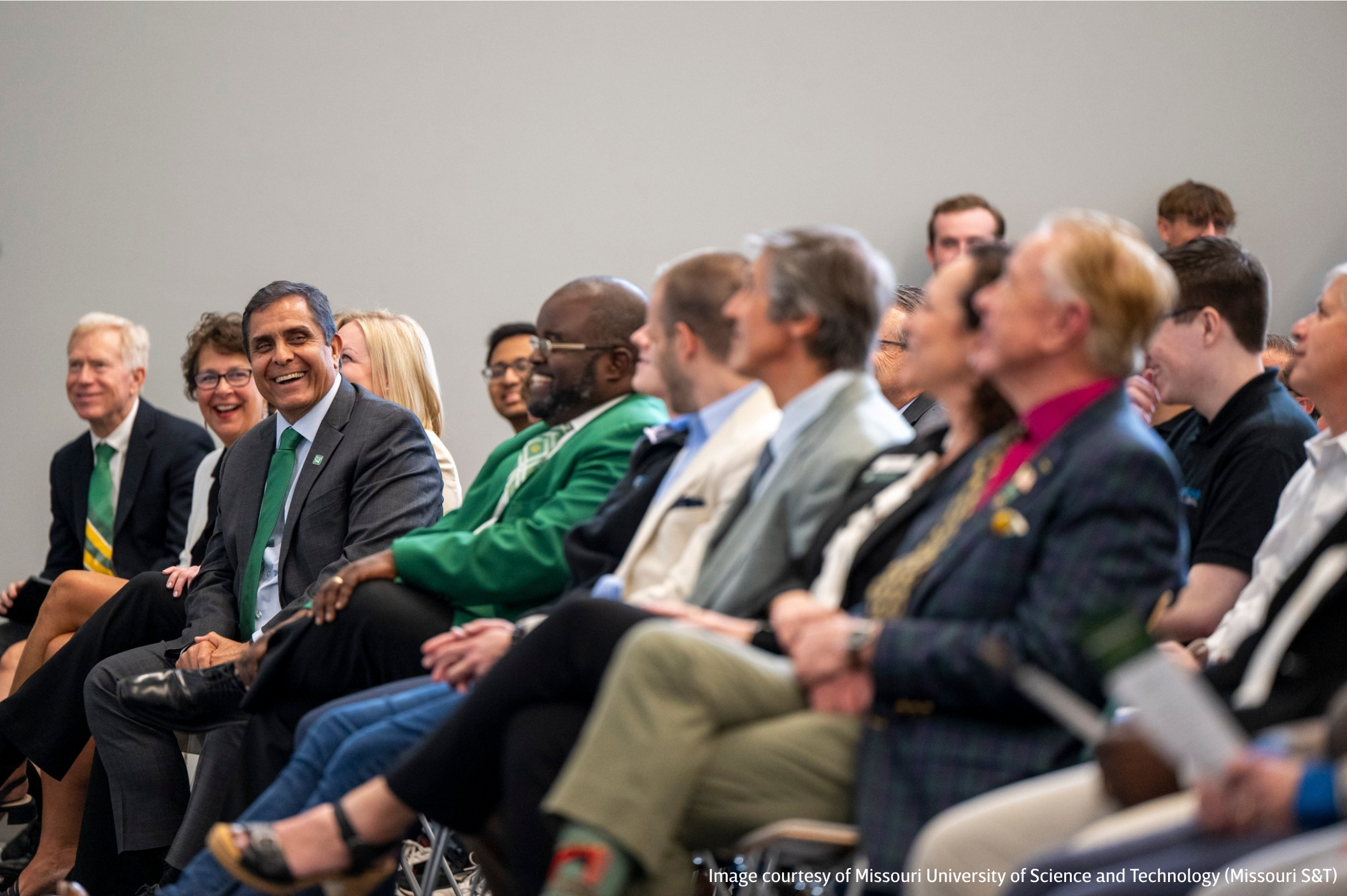 Missouri S&T Chancellor Mo Dehghani participates in the dedication ceremony, marking a significant step forward for research and industry collaboration.
Leaders across the university and state also emphasized the broader impact of the facility. Richard Billo, Director of the Missouri Protoplex and Director of the Kummer Institute Center for Advanced Manufacturing, has played a key role in shaping the facility’s vision and alignment with industry. Mun Y. Choi, President of the University of Missouri System and Chancellor of the University of Missouri, Columbia, highlighted the importance of continued investment in innovation, research, and workforce development across the state.
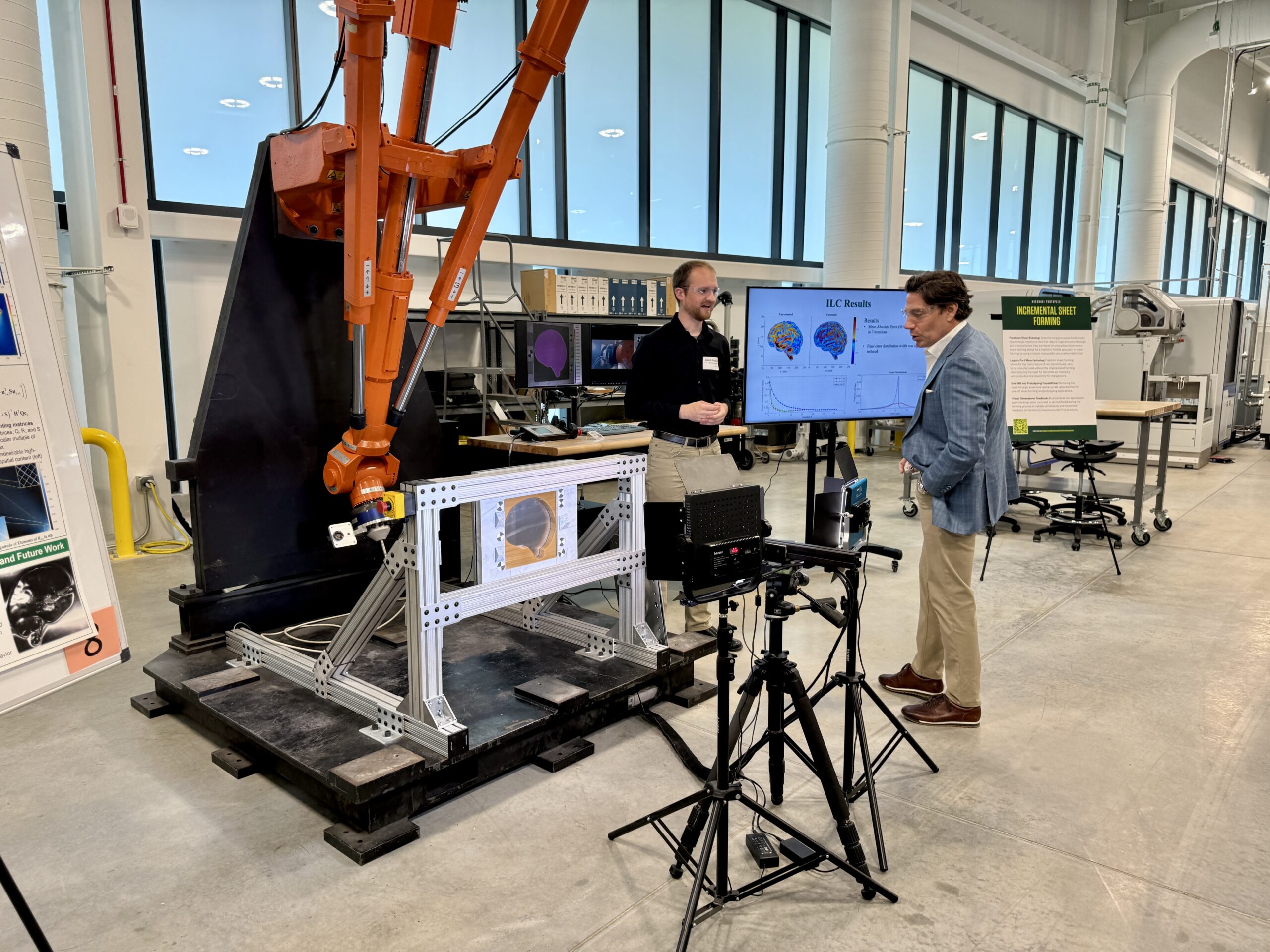
The Incremental Sheet Forming machine enables flexible prototyping of metal components without expensive dies, demonstrated through robotic-assisted fabrication processes.
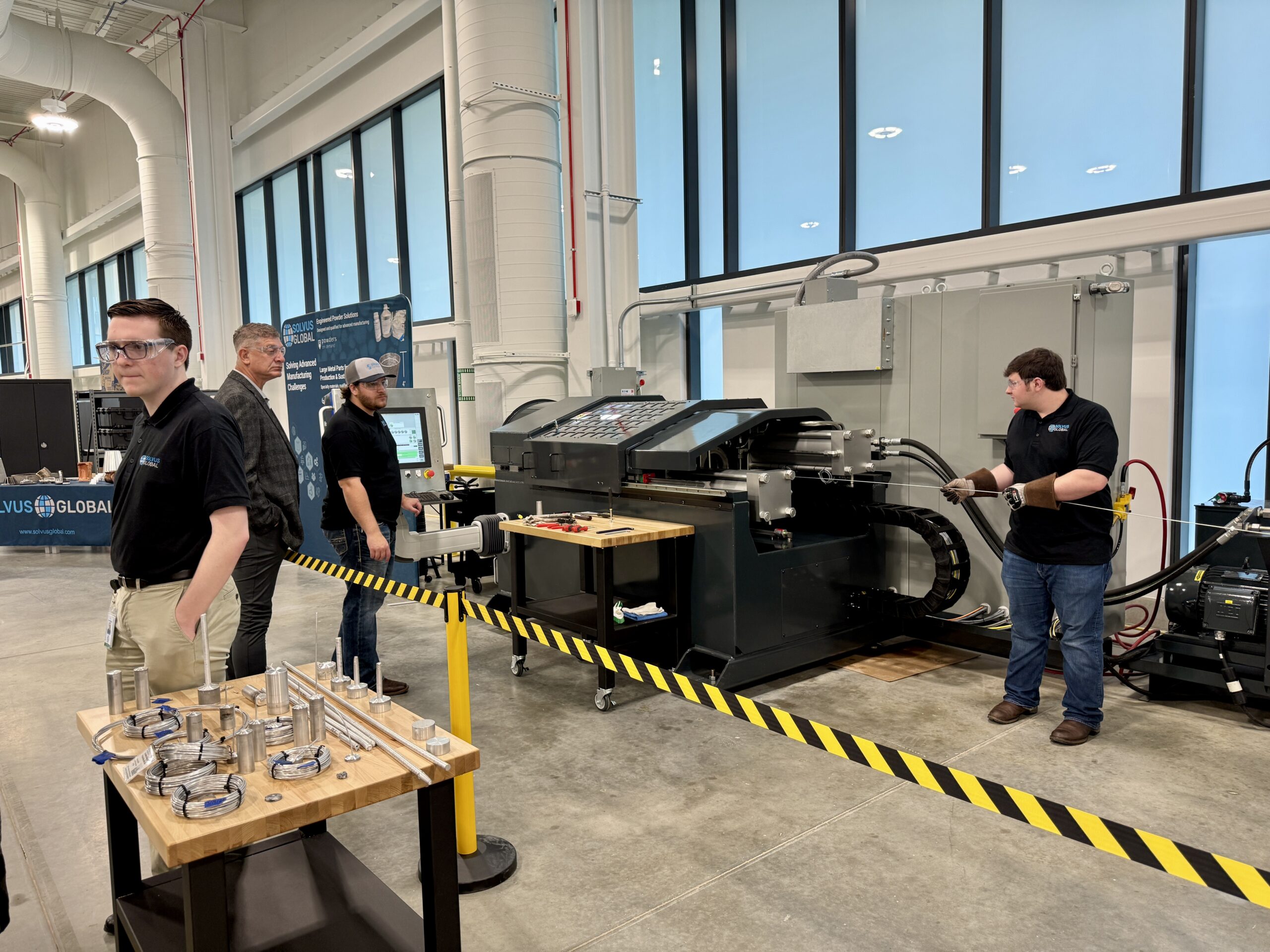
Live demonstrations highlight industry-scale equipment in action, including the Bond Friction Stir Extrusion machine, demonstrated by Solvus Global staff, part of the Missouri Protoplex Industry Launch Team.
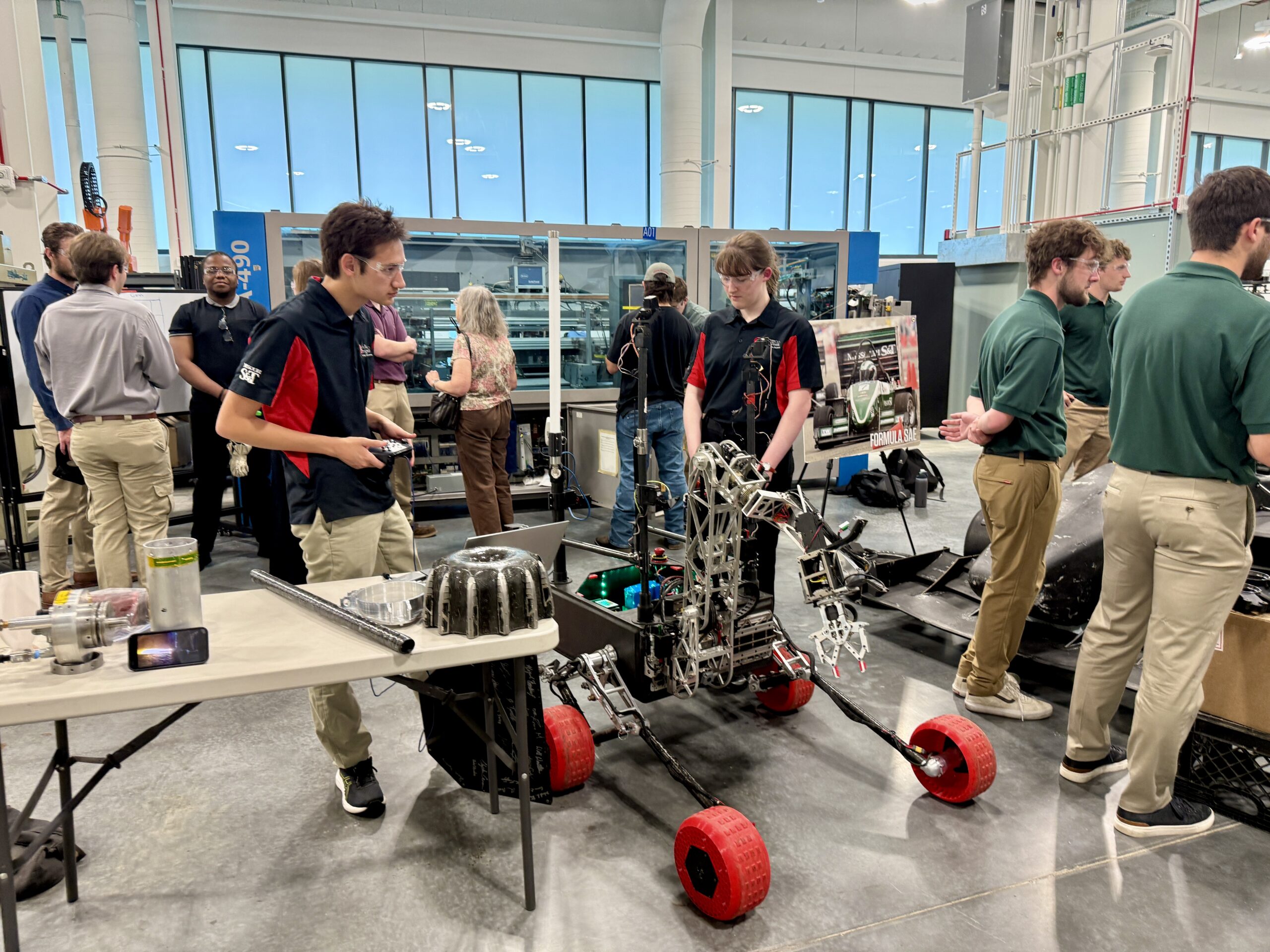
Student teams demonstrate robotics and engineered systems, reflecting hands-on learning experiences that mirror real-world challenges.
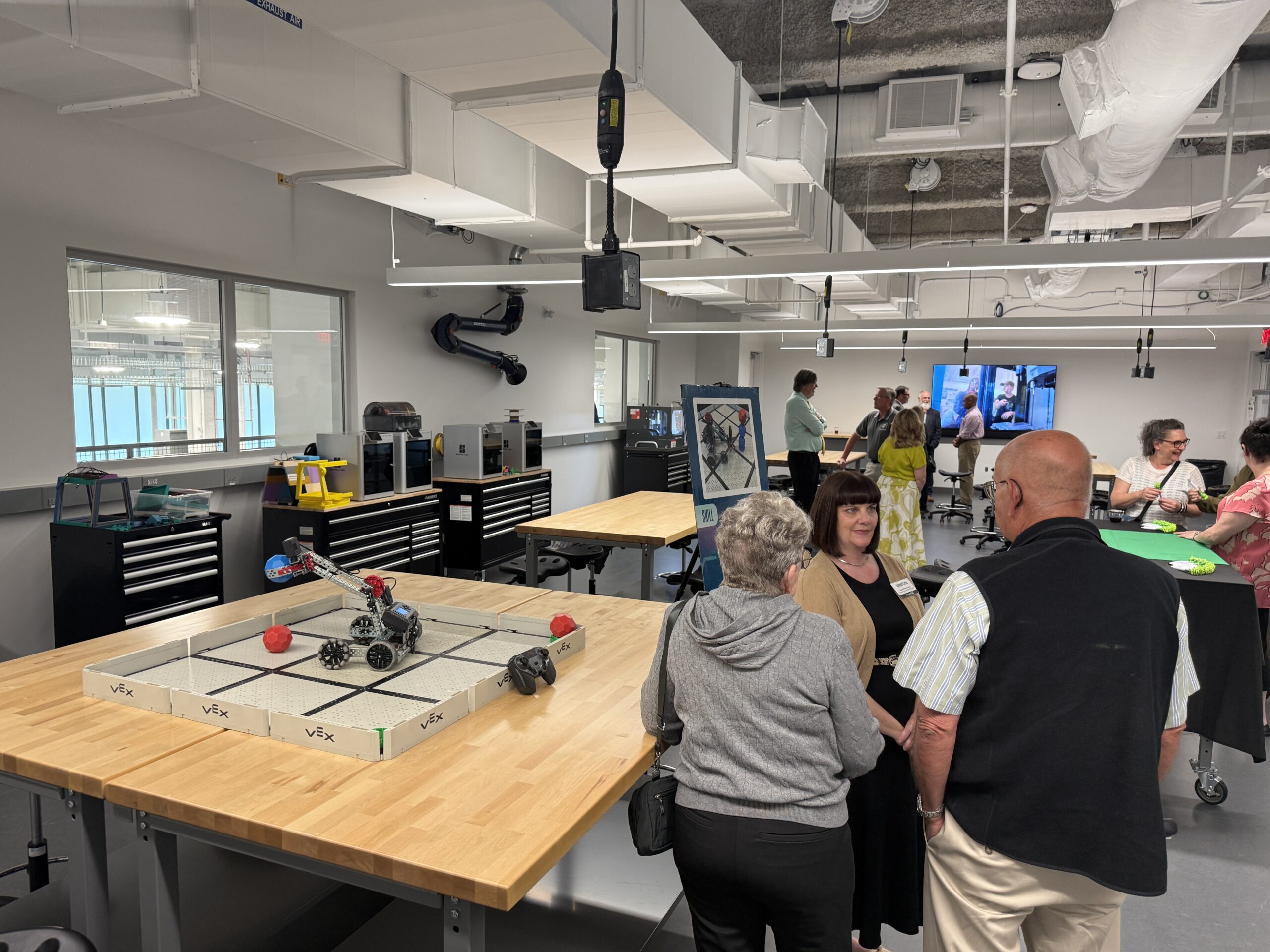 Designed to support K–12 engagement, the makerspace provides a flexible environment for hands-on learning, with adaptable infrastructure for prototyping, testing, and collaborative work.
The Protoplex also reflects Missouri S&T’s broader vision for its growing innovation campus. Designed for long-term flexibility, the facility supports evolving technologies, future equipment upgrades, and the integration of cyber-physical manufacturing systems. It is a space built to adapt and grow alongside the rapidly changing needs of the manufacturing industry.
The dedication also reflected the energy and pride surrounding the project, with students, faculty, industry partners, and even Missouri S&T’s mascot, Joe Miner, on hand to celebrate the moment. It was a reminder that beyond the technology and equipment, the Protoplex is ultimately about people, the students preparing for what comes next, and the communities they will go on to serve.
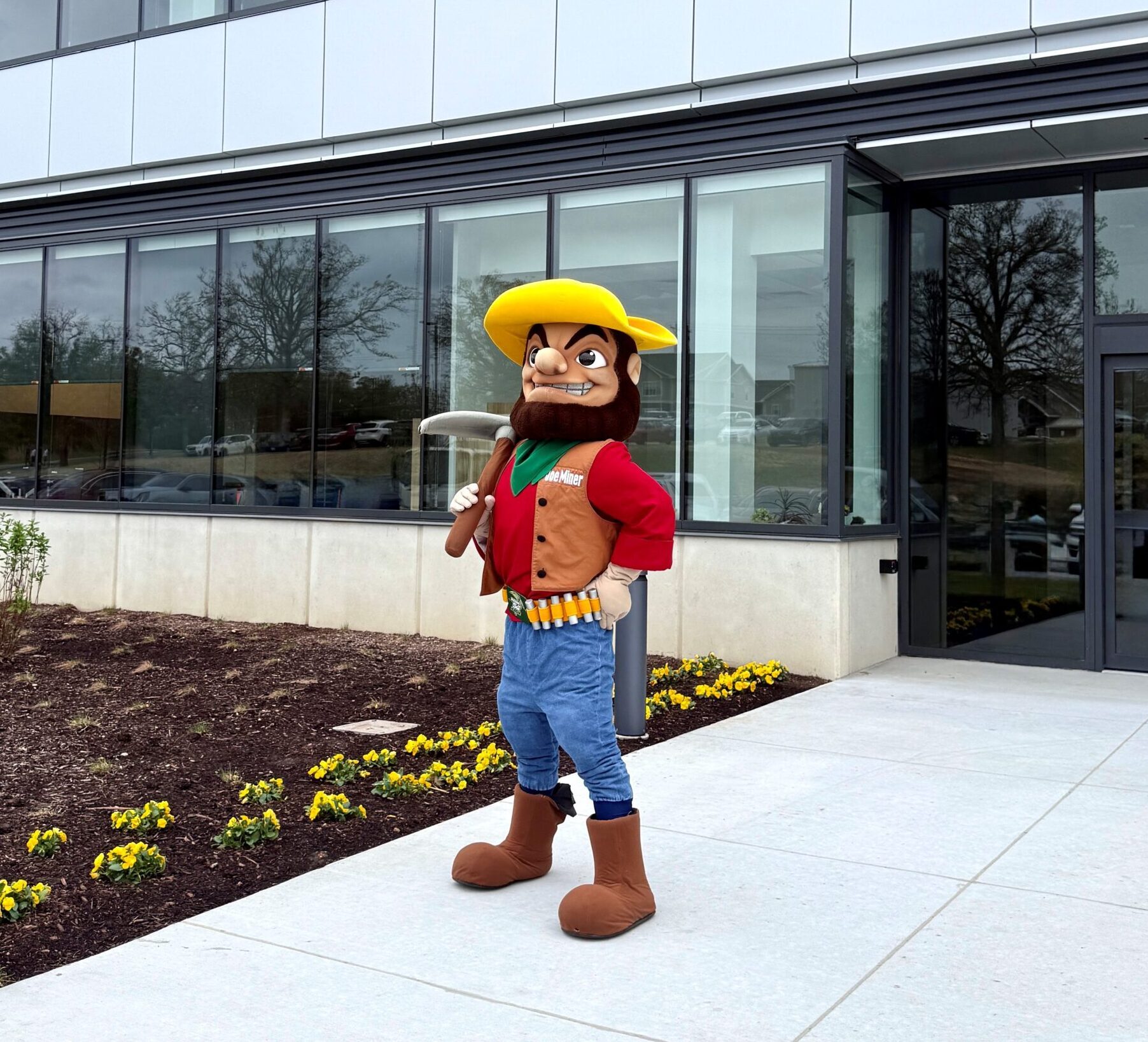
Missouri S&T’s mascot, Joe Miner, joins the celebration outside the Protoplex, welcoming a new chapter of innovation, learning, and collaboration.
More than a new building, the Protoplex represents a shared investment in Missouri’s future. By bringing advanced manufacturing into a visible, collaborative setting, the facility fosters innovation, strengthens industry partnerships, and expands opportunities for students to engage directly with the tools and processes shaping the field today. It is also part of a broader effort to move ideas out of the lab and into real-world manufacturing environments, strengthening connections between research and production.
As the doors open, the Protoplex begins its next chapter, one defined by experimentation, collaboration, and the continued connection between education and industry.